
What Brands Can Learn From the Waiting Room Magazine Rack
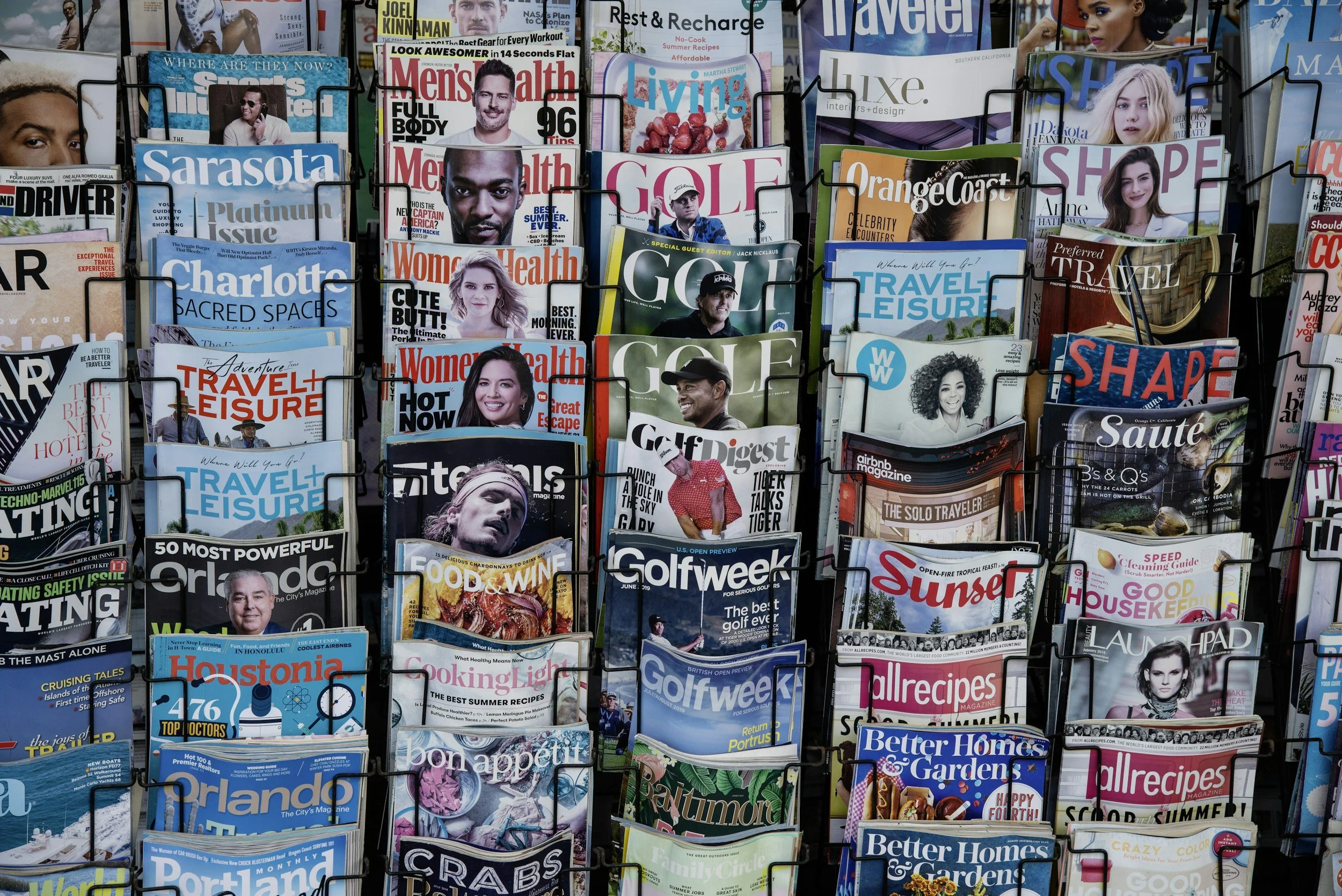
Photo by Greg Bulla on Unsplash
Could social media just be a digital version of a stack of magazines in a doctors waiting room, mindlessly, seemingly endlessly flicking through pages and pages of a mix of publications looking for that one story that’ll grab our attention? If yes, why don’t we treat it like that as a brand and as an advertiser?
We move from Gossip Magazines, to glossy Fashion or Interior Magazines, perhaps the odd The New Yorker or an unknown Indie Magazine, almost certainly a National Geographic, focusing only when our taste and attention has been captured,
Brands have the opportunity to tap into this behaviour, on social media platforms, and advertise to their future customers in a way as they would in physical magazines, only better, we can directly see who engaged with what type of content, at what time and took what kind of action on your website in response to that.
Gossip Magazine style content; you could use UGC (user generated content), most of us are familiar with the Hello!, Hola!, OK! magazines of the world.
Glossy fashion magazine; focus on a beautiful campaign shot that feels aspirational.
The New Yorker; tell me a story about what makes your brand different and why I should care.
Niche Indie Magazine; a fun story of how your brand positions with other tastemakers and culturally zeitgeisty moments.
But we also understand that a lot of creative brands are so put off by anything paid because the quality of content out there is so uninspiring. Those who are inspired and see the opportunity in amplifying their creativity through a bit of monetisation, are reaping the benefits. It is just hard when the majority of things you see are bad catalogue ads (those where you only see the products) with bright red backgrounds “to really capture the viewers attention”.
I am telling you now, it doesn’t have to be this way. There is ample opportunity to use these platforms in any way that you please and that feels appropriate to you and your brand. Of course we should consider goals for each campaign and creative used, but not at the expense of diluting the brand.
We’ve seen that, when we approach this in the right way, the right way that is to brands who struggle with seeing the opportunity, the positive response is evident. Of course we can quantify this in numbers but brand building is not a short-term strategy it is a long-term game, a marathon of collections and campaigns and events and collaborations and advertising and customer satisfaction and so on and so on. Just because everyone else is doing it badly doesn’t mean that you have to as well.