
The Sponsored Label Isn’t the Enemy, Silence Is
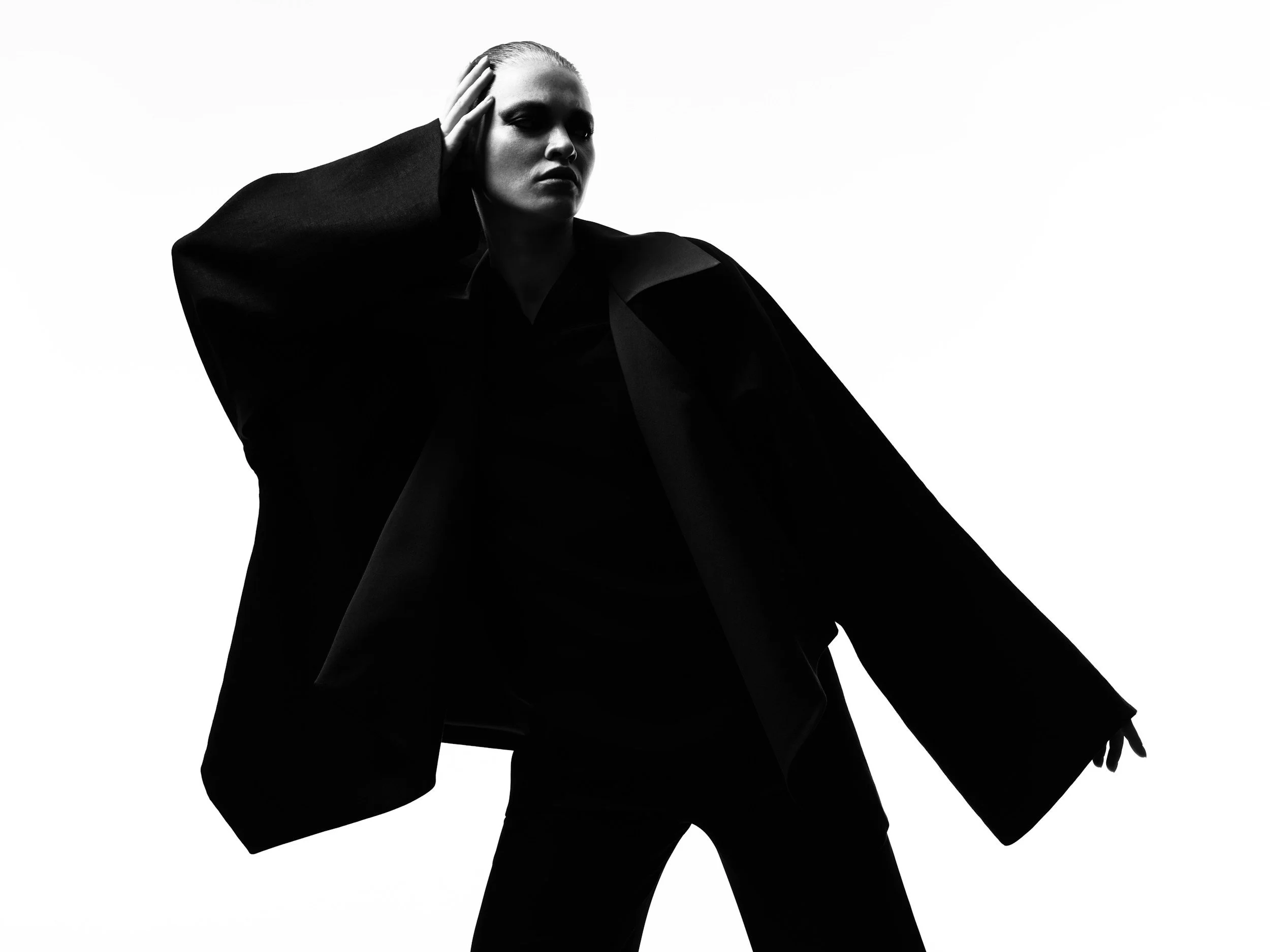
Photo by Malicki M Beser on Unsplash
There is a particular hesitation I see repeatedly with fashion and jewellery brands. It’s not about budget, or ambition, or even creativity. It’s about control.
These are brands built on taste, restraint, and intention. Every touchpoint has been considered. Every image, every word, every silence. So when the conversation turns to paid media and the unavoidable appearance of a Sponsored label something feels off. Too transactional. Too exposed. Too close to looking like marketing.
The instinct is understandable. But it’s also quietly holding brands back.
Because in today’s digital landscape, choosing not to participate doesn’t preserve mystique. It simply removes you from the conversation.
Luxury has always been about managing perception, not avoiding attention. Yet many brands now find themselves limiting their visibility out of fear that paid distribution somehow undermines their brand DNA. What’s rarely acknowledged is that absence communicates something too and it’s rarely what brands intend.
To the modern consumer, a brand that never appears doesn’t look more exclusive. It looks distant. Or worse, irrelevant.
The idea that customers distrust sponsored content is largely outdated. Audiences are fluent in the mechanics of social platforms. They know how feeds are built. They know that visibility is earned through investment. The presence of a sponsored label no longer carries the stigma it once did, if it ever truly did.
What people respond to is not whether something is paid, but whether it feels coherent. Does it belong in their world? Does it align visually and emotionally with the brand they believe you to be? Does it feel like a natural extension of your universe rather than an interruption?
When the answer is yes, the label fades into the background.
In fact, some of the most aspirational brands in fashion and luxury are quietly some of the most active in paid social. They don’t announce it. They don’t apologise for it. They simply use paid media as a way of placing their work in front of the right eyes at the right moment, with the same level of care they apply to everything else.
Paid, in this context, isn’t about volume. It’s about intention.
Ironically, avoiding paid media often leads to less control, not more. Organic reach is unpredictable. Algorithms change. Visibility becomes accidental rather than deliberate. Without paid support, even the strongest creative risks being seen by fewer and fewer of the people it was designed for.
Paid distribution, when handled properly, allows brands to curate context. To decide who sees their work, when, and in what frame of mind. That’s not a loss of control, it’s a refinement of it.
The question, then, isn’t whether a brand should tolerate being sponsored. It’s whether the work itself is strong enough to deserve attention.
If the creative is considered, if it reflects the brand’s values, if it speaks clearly and beautifully to the customer, the presence of a sponsored label becomes irrelevant. Consumers aren’t looking to catch brands out. They’re looking to feel something. To recognise quality. To connect.
Luxury has never been about hiding. It has been about editing.
In a digital world that moves quickly and forgets even faster, the greater risk is not being seen to market, it’s being mistaken for a brand that no longer speaks at all.
A list of quiet luxury brands that are very loud on social, click on the name and view the ad library: